The thinking skills AI can't do for you
Think Like
a Coder
A back-to-basics guide to the mental skills behind coding — pattern recognition, logical reasoning, and problem decomposition — without writing a single line of code.
Why This Matters Now
AI can write code. It can't think for you.
In an era where ChatGPT can generate a Python script in seconds, the mental muscles behind programming matter more than ever. Pattern recognition. Logical reasoning. Breaking complex problems into manageable pieces. Evaluating whether an answer actually makes sense.
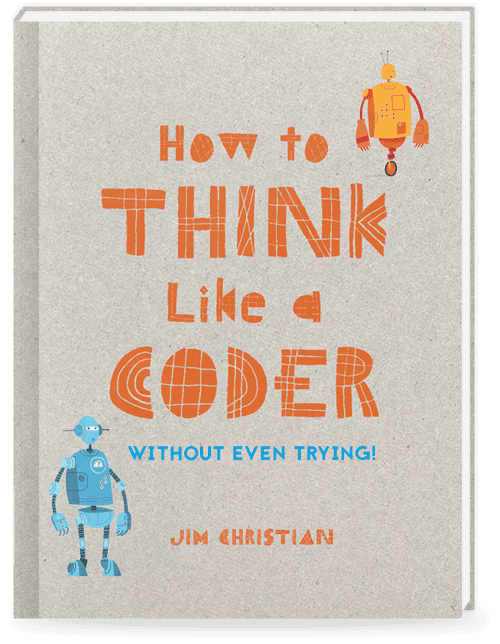
These are the skills that atrophy when we let AI do our thinking — and the same skills we need to evaluate AI output critically. How to Think Like a Coder teaches these foundations through puzzles, card games, magic tricks, and dice — no computer required.
What the Book Covers
Computational thinking skills taught through play — not lectures.

Pattern Recognition
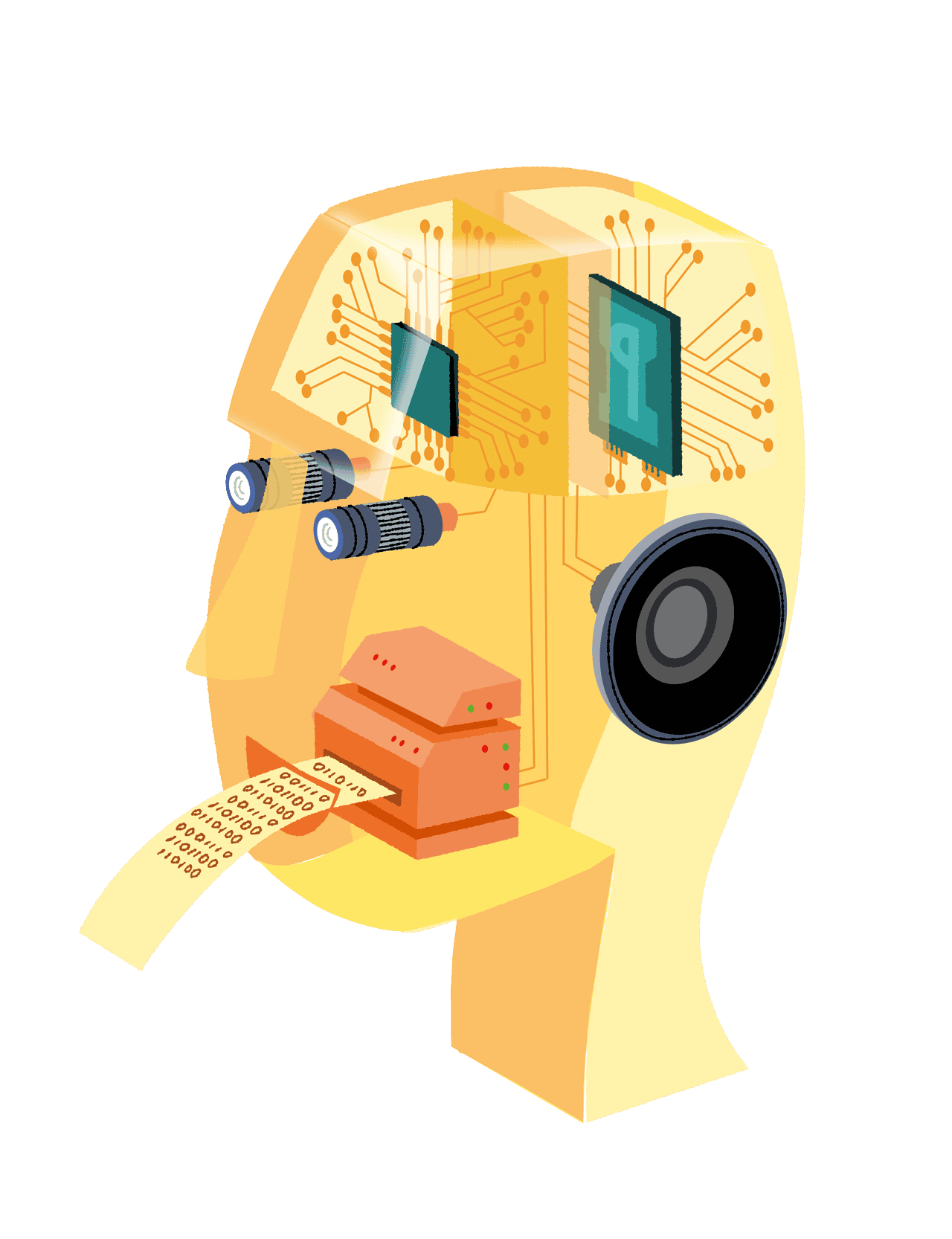
Spot the signals in the noise. Learn to identify repeating structures, classify information, and see what others miss.
Logical Reasoning
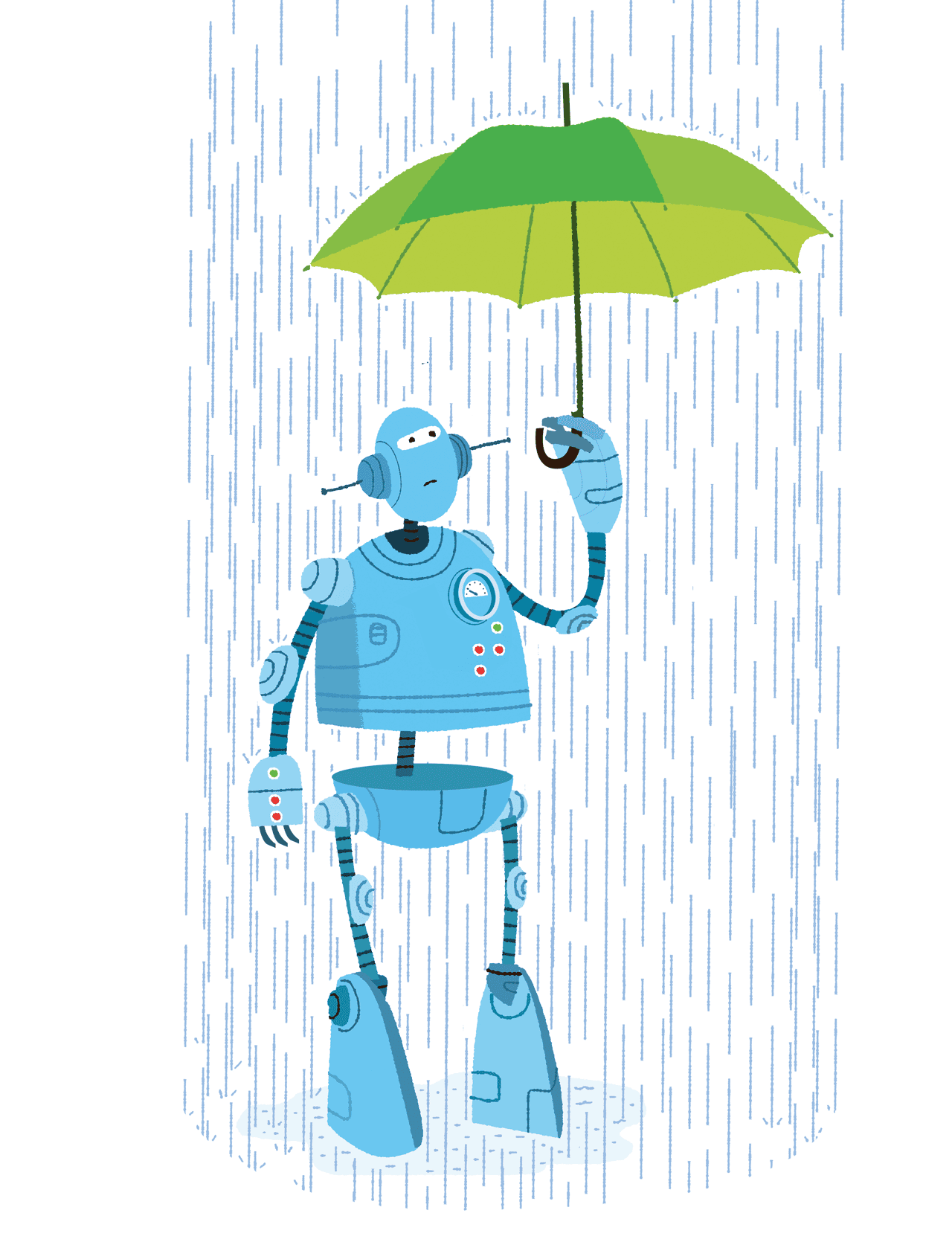
If this, then that. Master conditional thinking, boolean logic, and the art of building airtight arguments — with playing cards and finger binary.
Problem Decomposition
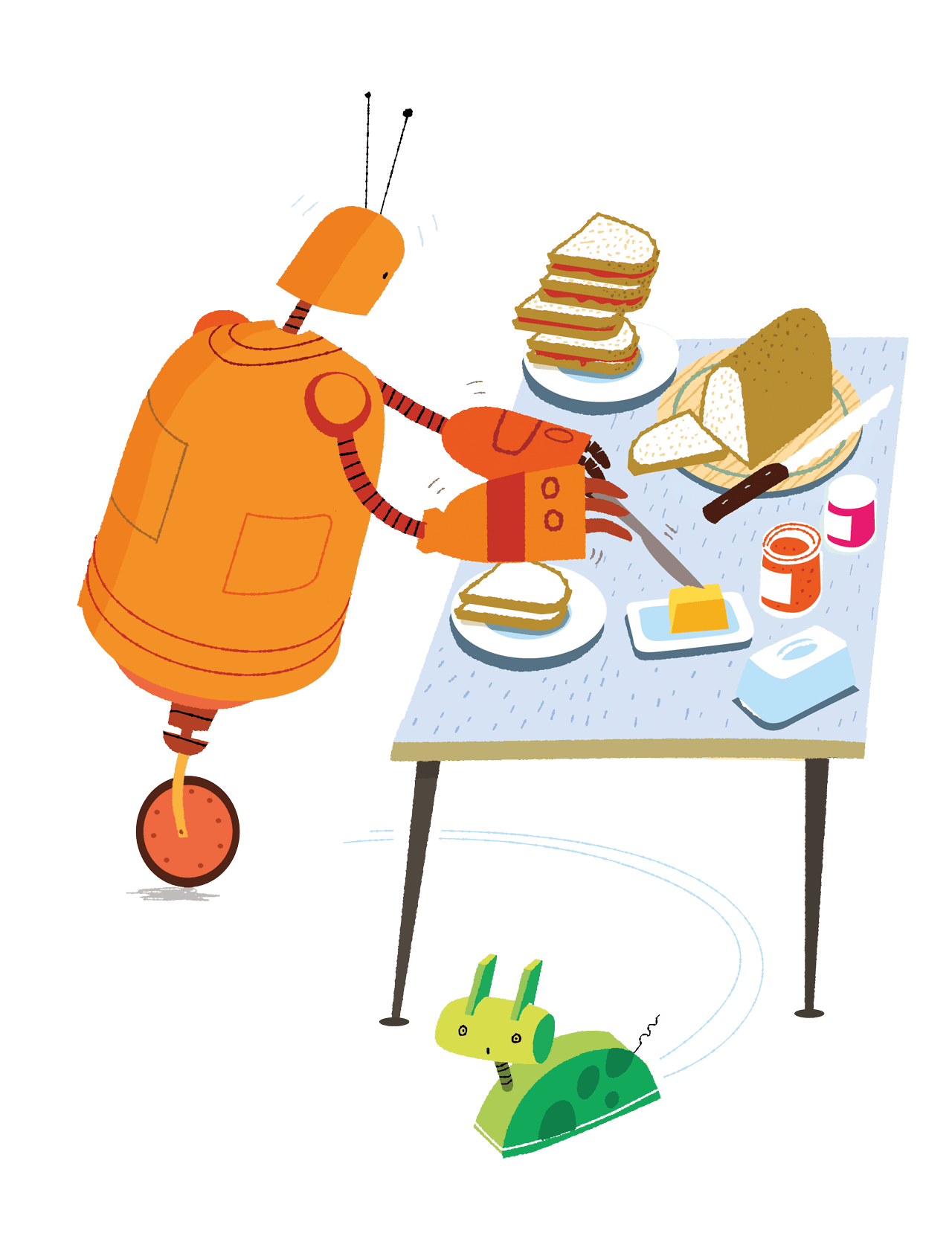
Big problems are just small problems in a trenchcoat. Learn to break anything down into steps a computer (or a human) can follow.

Algorithms & Loops
From making a sandwich to sorting a deck of cards — discover that you already think in algorithms, and learn to do it deliberately.
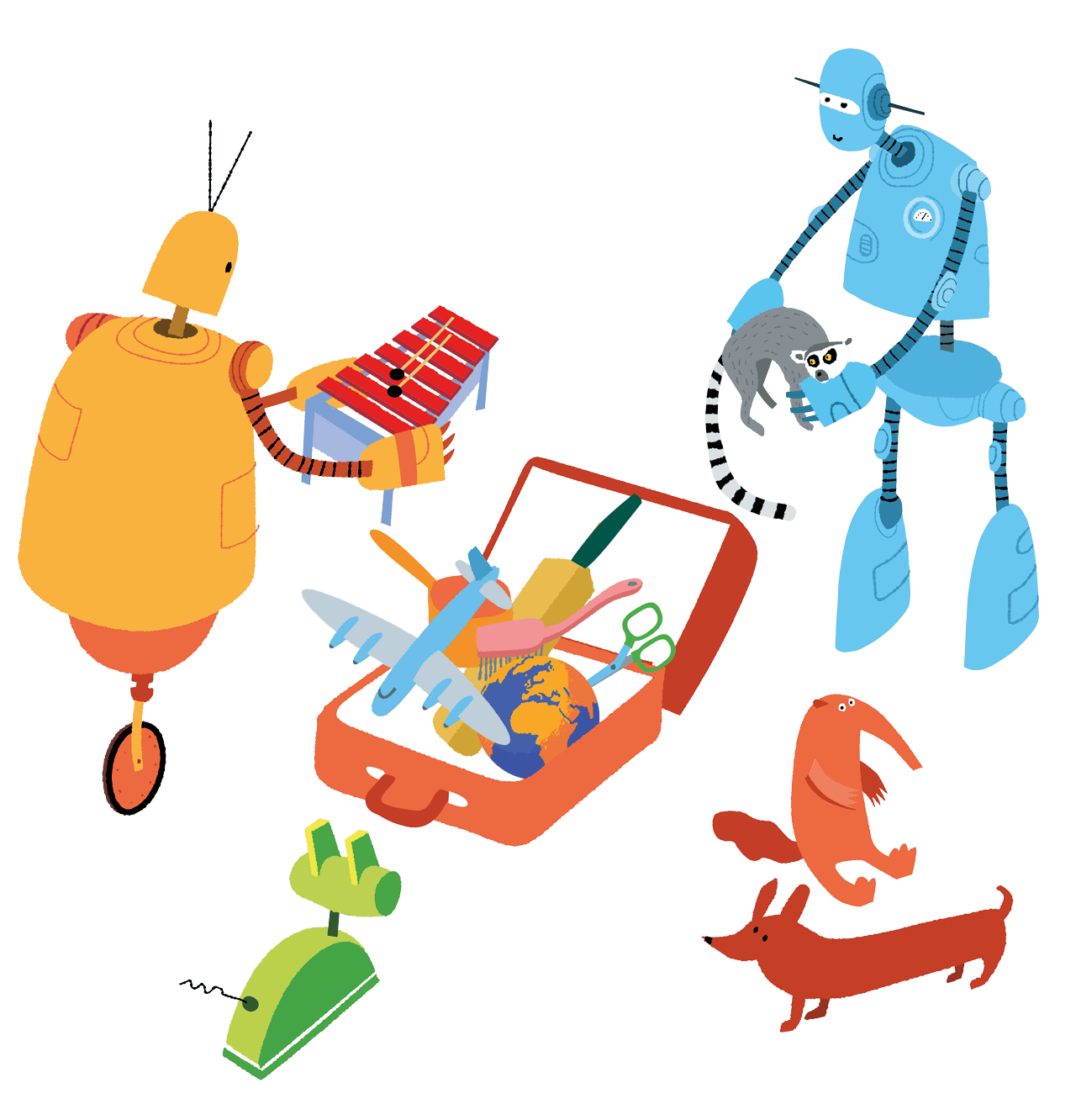
Data Types & Variables
Containers with names and values. Understand how computers (and your brain) organise information — through games you can play at home.
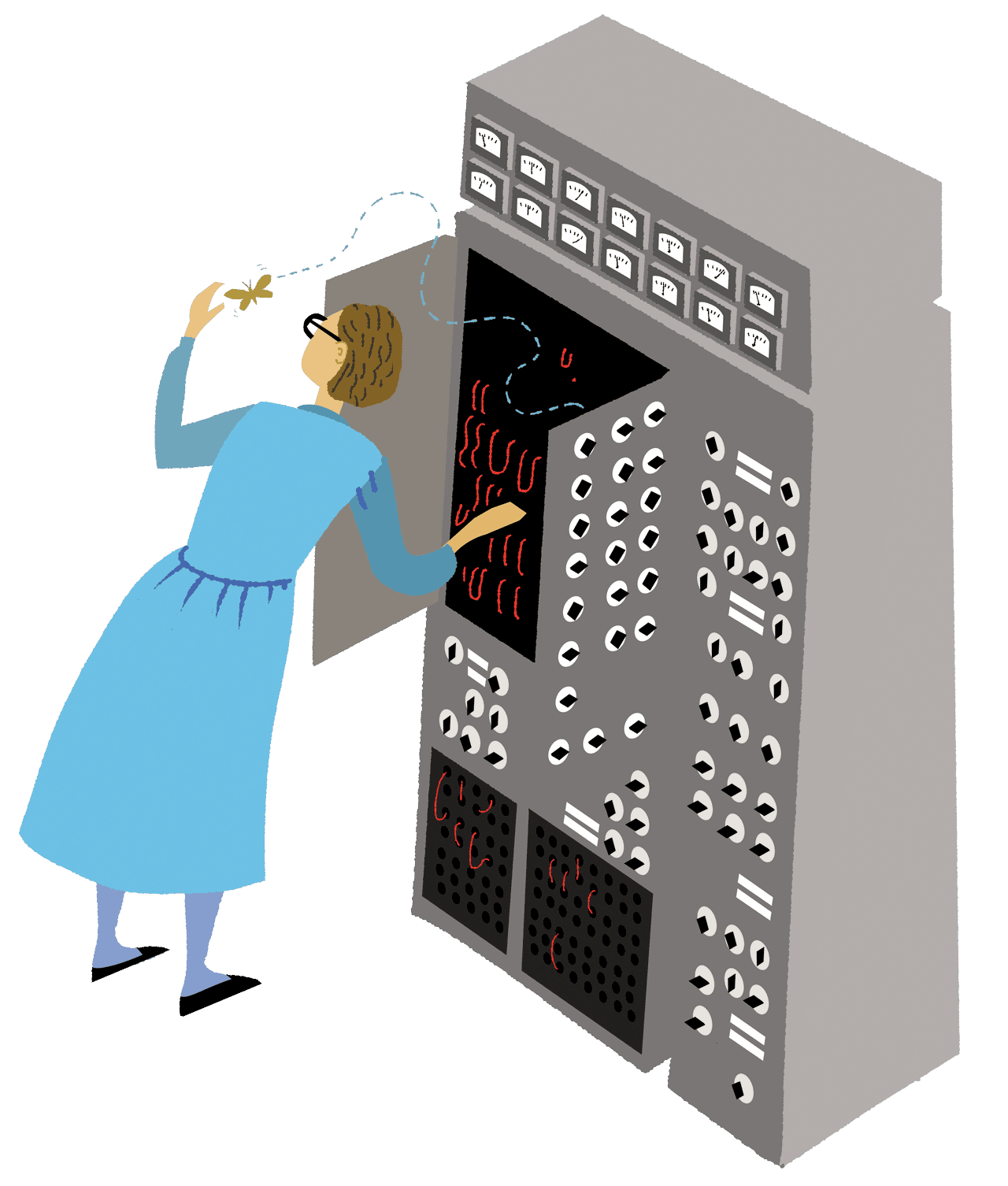
Debugging
Find the bug. The original computer bug was a moth. Learn to spot errors in logic, test your assumptions, and fix what's broken.
How It Teaches
No screen time required. Just curiosity and a deck of cards.
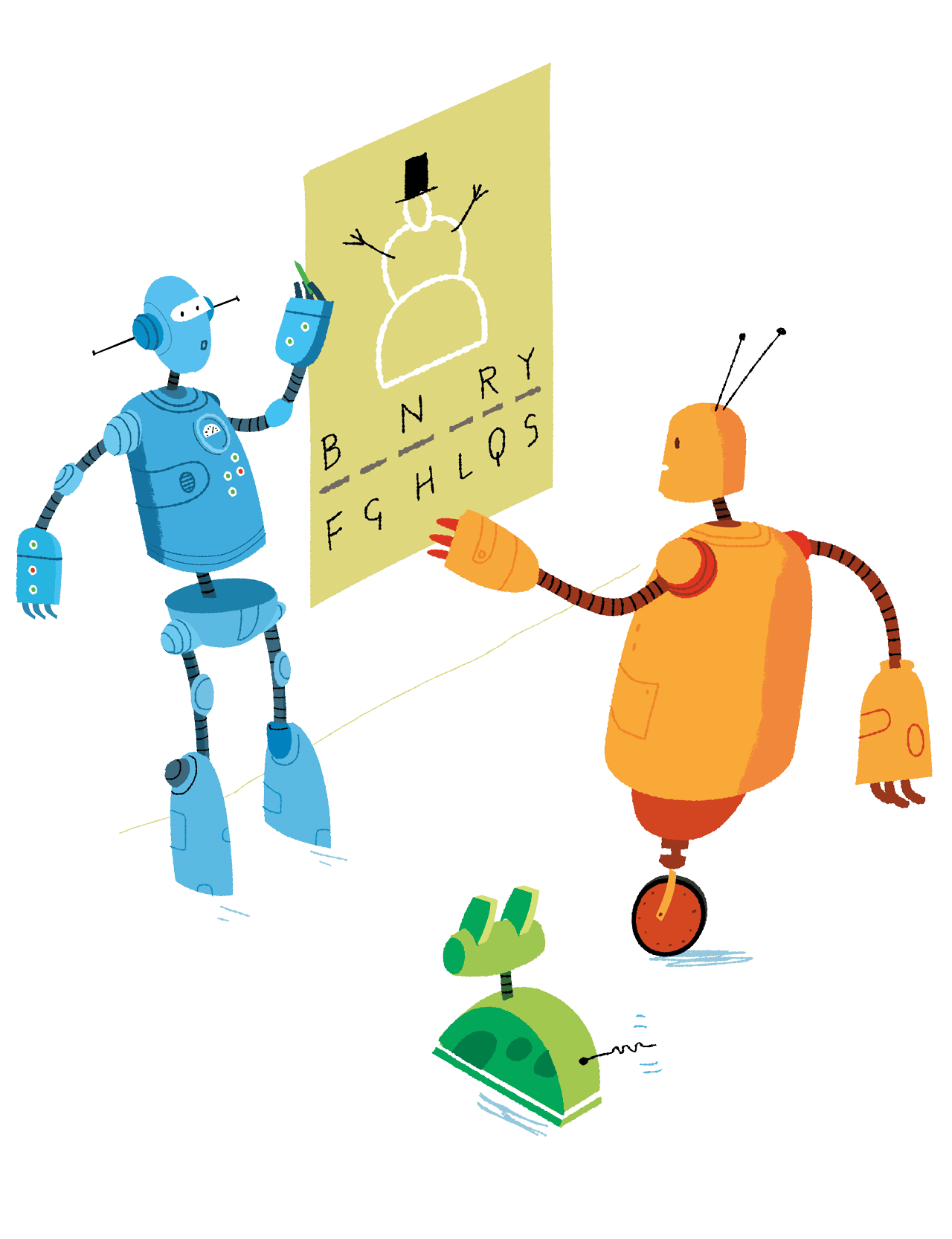
Games & Puzzles
Card tricks that teach conditional logic. Dice games that demonstrate random number generation. Finger binary that lets you count to 31 on one hand.

Scaffolded Learning
Every concept builds on the last. Start with what you already know, add one new idea at a time. No cognitive cliffs.
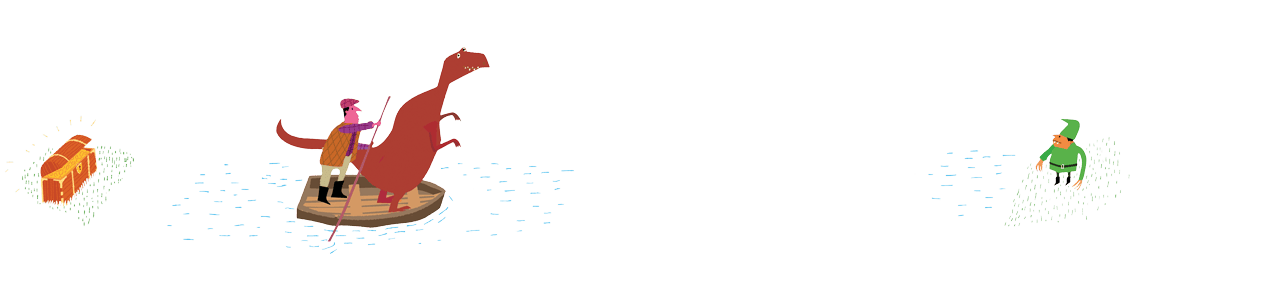
Real-World Puzzles
The river crossing problem. The Caesar cipher. Classic puzzles that have taught logical thinking for centuries — reframed for the digital age.
Standing on the Shoulders of Giants
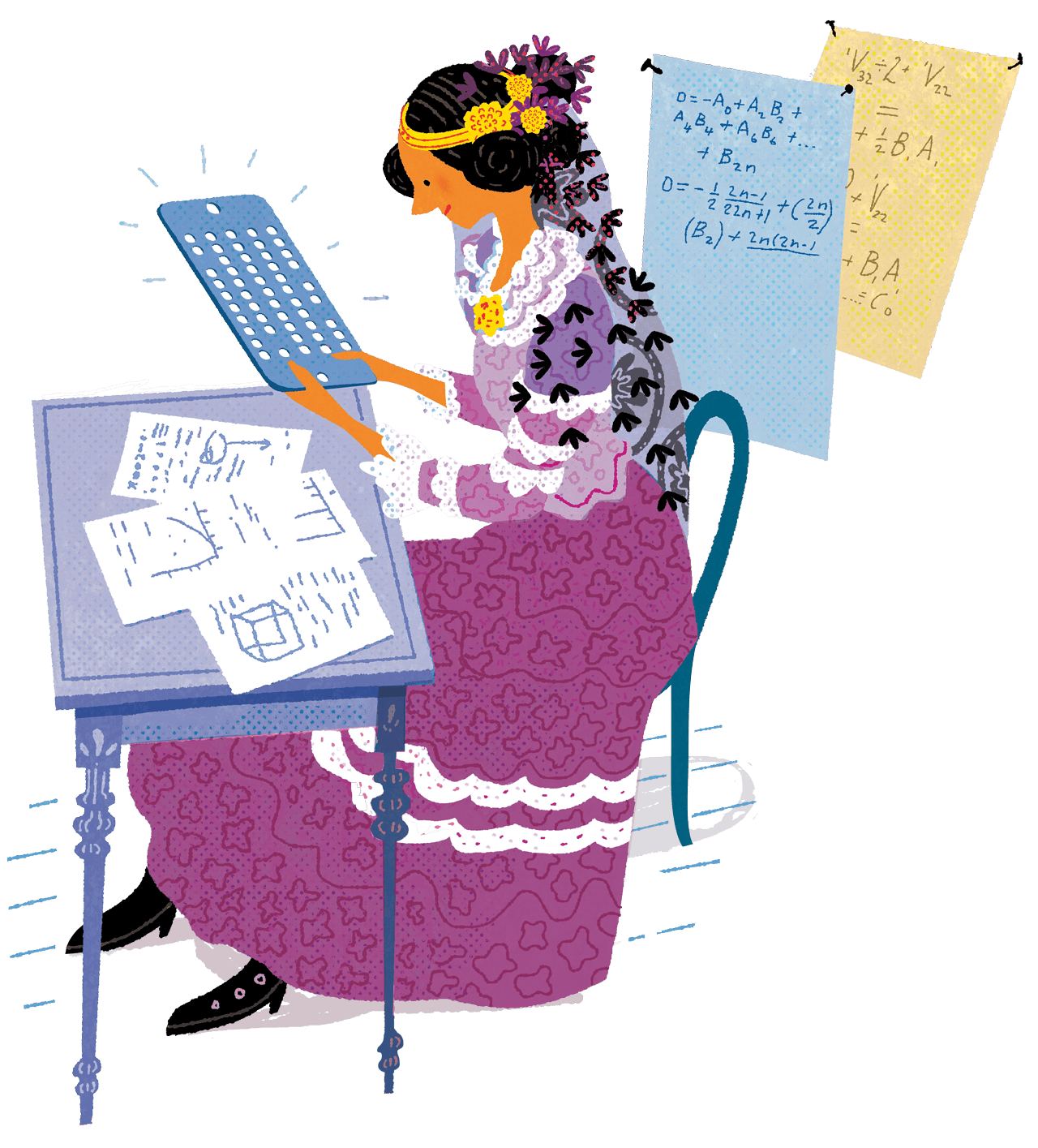
The book introduces the real people behind computing — from the first programmer to the first debugger.
What People Say
"Accessible and fun.. an essential addition to any keen programmer's bookshelf."
Lancashire Evening Post
"If ever an author were thinking outside of the box, this would be it — quite literally."
Armadillo Magazine
"Programming needs a grasp of the basics — coding — so here's the ideal start. An excellent book."
Parents In Touch
"This colourful book provides a wonderful, rather substantial taster to a subject on the rise."
Book Aid International
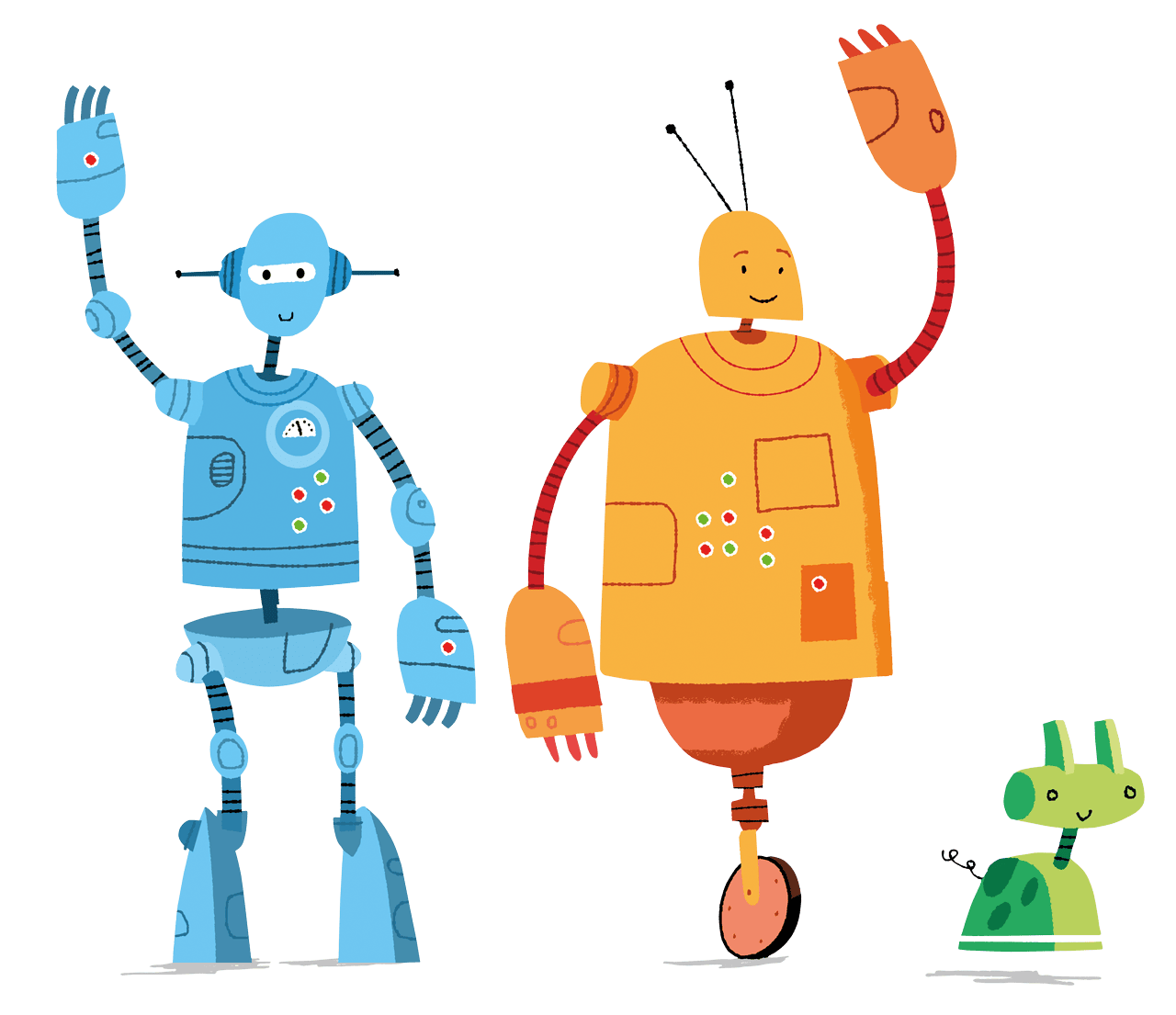
"Packed full of information and lively illustrations featuring fun robot characters who enliven the text."
The Book Activist
"A complex topic made easier to understand with striking illustrations."
Creative Steps Magazine
"Really nicely presented, this is a fantastic purchase for any would-be programmers who just don't know where to start."
Read It Daddy